


A Little Silence in the Soul
A Reflection from The Secret Diary of Elisabeth Leseur
I’ve been leading a book study on The Secret Diary of Elisabeth Leseur, and one passage has been stuck in my head the last few days:
When physical or mental suffering threatens to reach our very soul, we must say to it: ‘Thou shalt not go further.’ We must let the waves from outside beat against our poor soul, without using too many of its resources to fight them off; on the contrary, we must avoid any disturbance and fortify our poor assailed soul against it.
The agitations, bitterness, and all that attacks become assuaged if we create in ourselves a little silence and catch our breath in the presence of God.
These words are an invitation to live with Christ at the center (especially when life feels unrelenting). The model for this interior strength, as always, is Christ Himself. The author of Hebrews reminds us, “We have not a high priest who is unable to sympathize with our weaknesses” (Hebrews 4:15). And Isaiah foretold of the Suffering Servant: “Surely he has borne our griefs and carried our sorrows… he was wounded for our transgressions” (Isaiah 53:4–5). Jesus does not look at our suffering from a distance. He steps into it, bears it, and walks with us through it.
Elisabeth Leseur’s wisdom is not some sort of passive endurance. It is a choice of detachment. Its a detachment, not from love, but from the inner chaos that threatens to unravel us when hardship or misunderstanding strikes. Whether we are weighed down by illness, spiritual dryness, or hurtful words from others, there is a hidden path we are invited to walk: union with Christ, and a refusal to let bitterness take root. That is a kind of martyrdom that no one sees but heaven.
Paul captured this mystery in 2 Corinthians:
“We have this treasure in earthen vessels… afflicted, but not crushed; perplexed, but not driven to despair; persecuted, but not forsaken; struck down, but not destroyed” (2 Corinthians 4:7–9).
Elisabeth knew this path well. Writing from her sickbed, surrounded by misunderstanding and often alone in her fidelity to God, she still found grace. How? She was recollected. She created silence. She caught her breath in the presence of God.
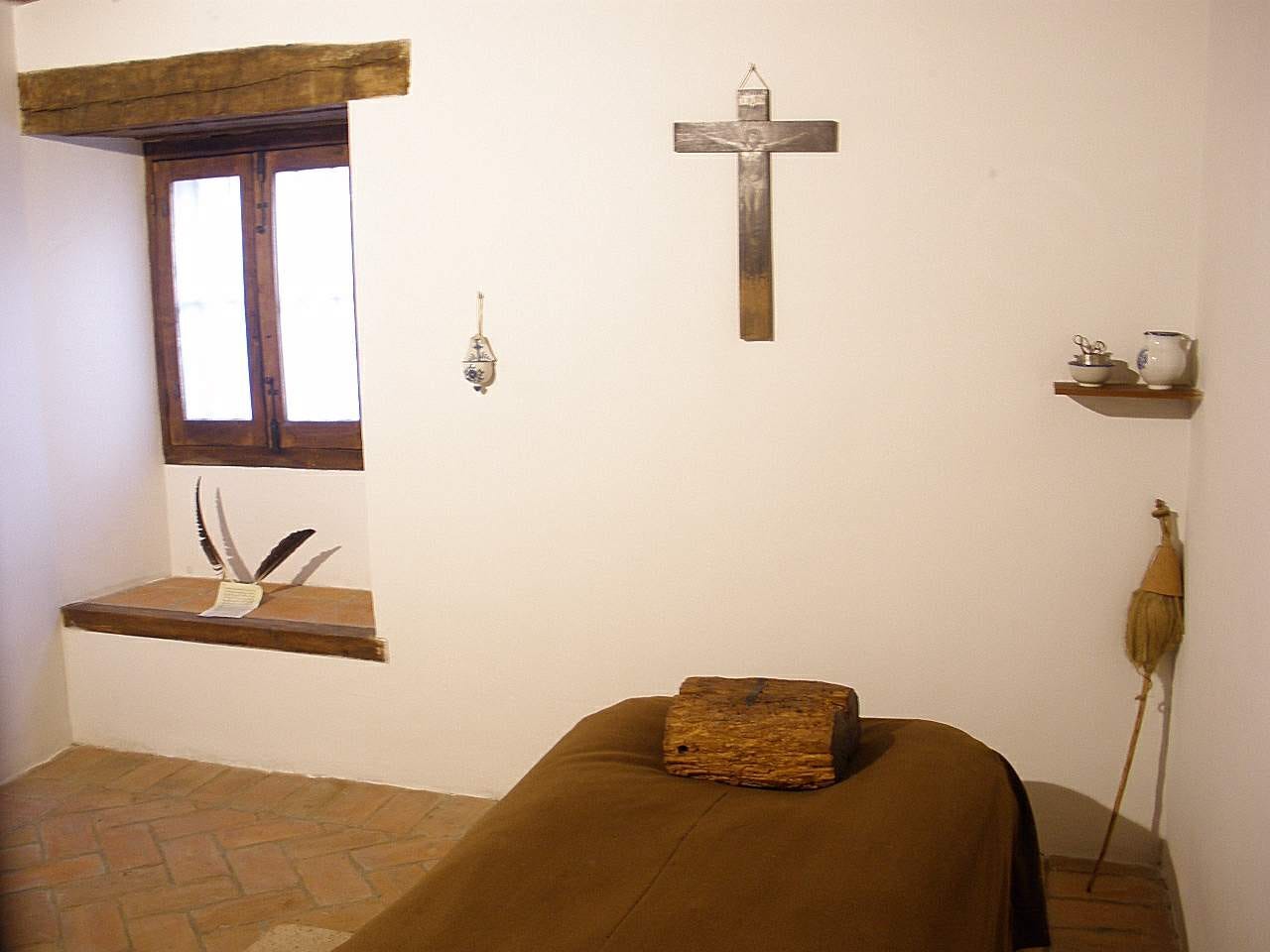
This silence is not escape. It is the interior cell of the heart, a place we can all enter. In religious life, a cell is the simple space where a monk or religious sister prays, sleeps, and lives. The cell often is no more than a bed, a crucifix, and a breviary. Most of us do not live in monasteries or convents. But we are all called to cultivate this inner cell, where we can sit quietly with Christ. That is where the soul is fortified.
So when life goes sideway (and it will) we can remember this: the waves may batter the surface, but they do not have to enter the soul. Let the storm remain outside. Within, let there be stillness, charity, and that quiet breath drawn in the presence of the One who has already carried our sorrows.
Most of us will never wear a habit or live in a cloister, but we can still enter the interior cell of the heart for thirty seconds—between meetings, while driving, standing at the kitchen sink. In that hidden place, we can repeat the words that steadied Elisabeth in her final years: “Thou shalt not go further.” The waves may continue, but the soul remains upright, held firm by the One who bore it all.
© 2025, Lawain McNeil, Mission Surrender, LLC.
A lesson well received: I need to sit quietly with Christ more often…thank you, Lawain, for sharing…