


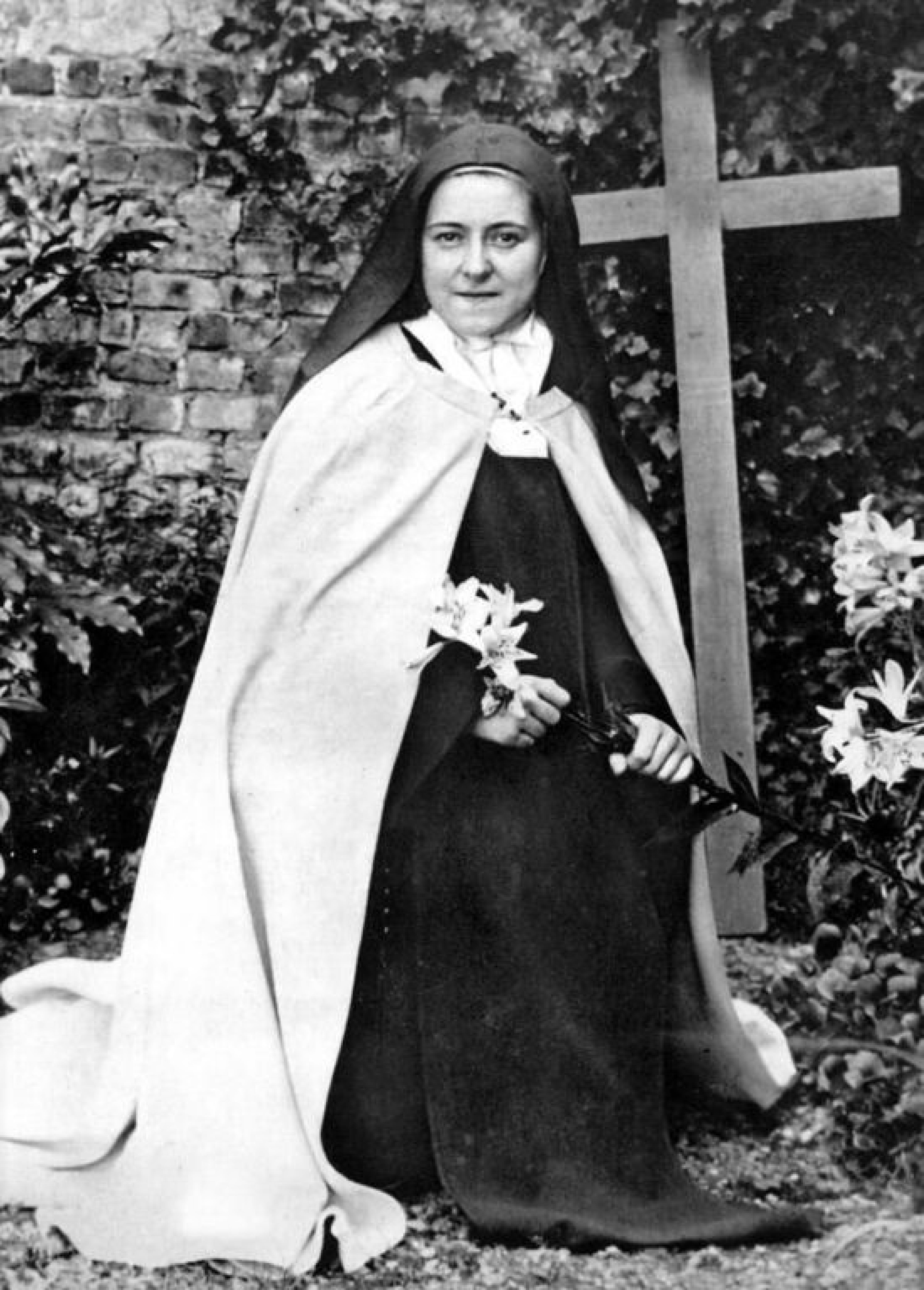
In a letter dated May 30, 1889, St. Thérèse of the Child Jesus encouraged her cousin Marie Guérin to resist the natural power of fear and to return to the frequent reception of Holy Communion. In that letter, Thérèse makes it very clear that Jesus wants to enter the hearts of his disciples frequently through Holy Communion, and that he is filled with sorrow whenever someone who believes in him is deprived of this grace. Jesus is not only concerned that all Christians would believe in his real substantial presence in the Holy Eucharist; he also wants to enter the hearts of all those who do believe, through frequent Holy Communion. As Thérèse sees it, one of the devil’s main goals is to prevent the faithful from receiving Holy Communion frequently. At one point she says to her cousin, “The devil…wants to deprive Jesus of a loved tabernacle, and, not being able to enter this sanctuary, the devil wants, at least, that it remain empty and without any Master! ...Alas, what will become of this poor heart? ...When the devil has succeeded in drawing the soul away from Holy Communion, he has won everything. …And Jesus weeps!”
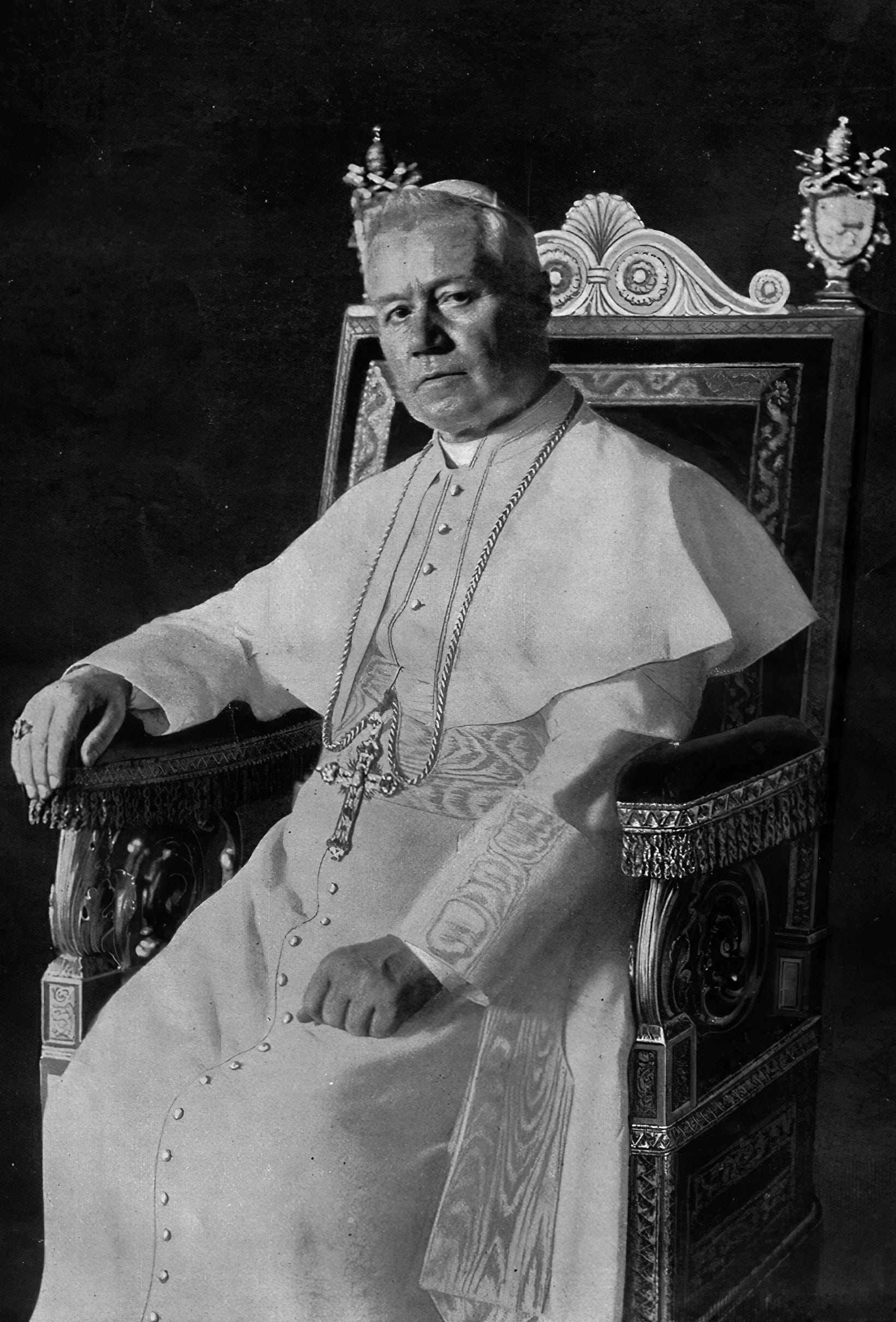
When Pope Pius X read this letter after Thérèse’s death, he said, “This is most opportune! It’s a great joy for me.” Then he opened the process for her canonization and recommended her letter in support of the practice of frequent reception of Holy Communion by the Catholic faithful. The fervent letter of Thérèse to her cousin confirmed what he already sensed: that Jesus wants to enter the hearts of the faithful frequently, even daily if possible. Jesus weeps whenever his disciples are deprived of the grace of frequent Holy Communion. Wherever the Eucharist is being celebrated validly, he remains substantially present in the tabernacles of those churches and desires to be received frequently in the tabernacles of the hearts of those who believe in his real substantial presence.
© 2026, Lawain McNeil, Mission Surrender, LLC.