


This past week I visited my mom. There is a deep sadness in seeing someone who was once strong now walk slowly, stooped in pain. Her body, which had carried so much, now carries suffering. I am sad. Our culture lies to us, and I fear that many believe the old and stooped have little left to offer.
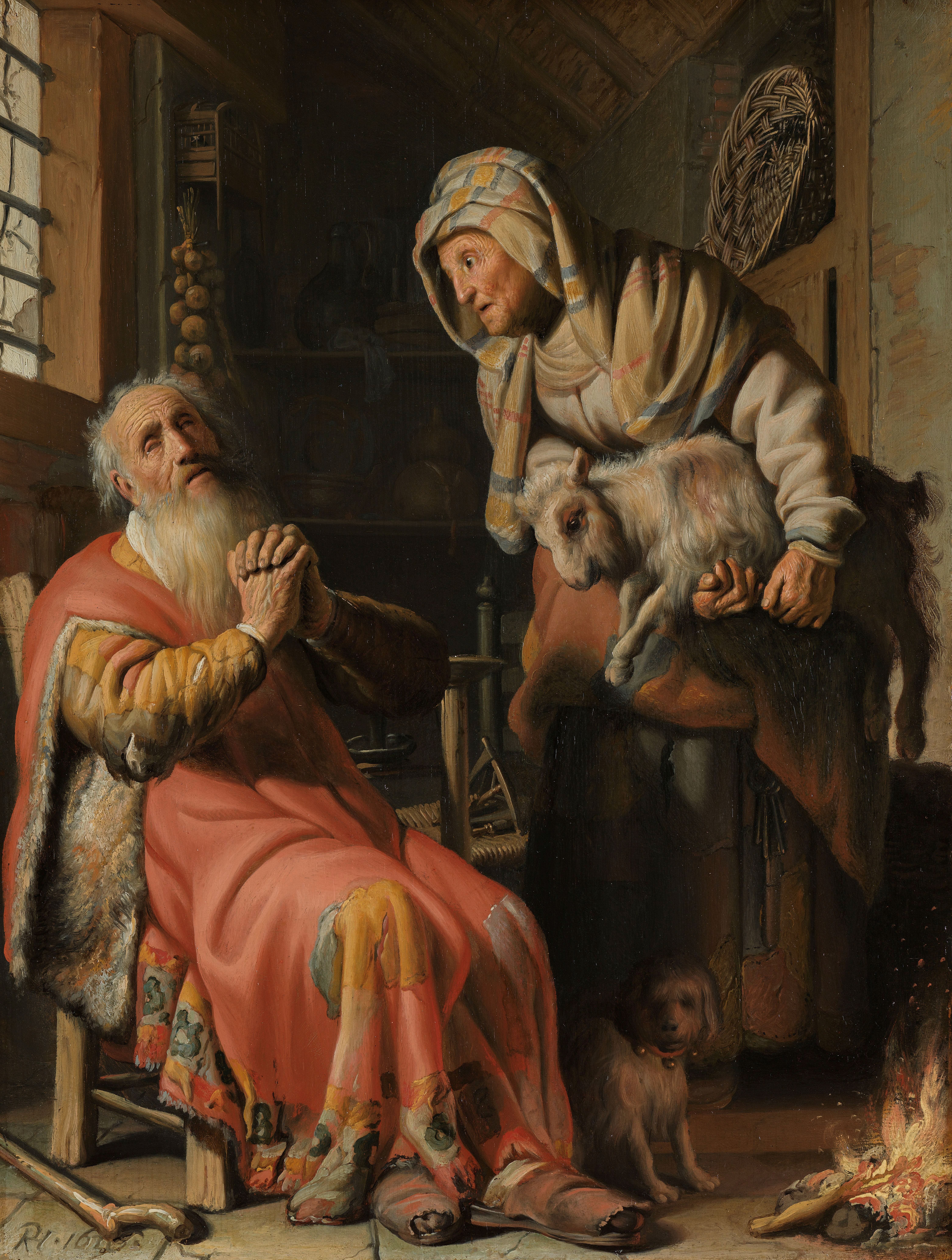
I have been reading and praying with the Book of Tobit. From Tobit and the sorrow of seeing my mom, something deeper, something clearer has come to me. Tobit, too, was aged. Bent, blind, dependent. But far from useless, he became the very seedbed of prayer, intercession, and grace in a moment of cultural collapse.
In Tobit, I recognized not only the sorrow of one man, but the forgotten wisdom of an entire generation.
We live in a world obsessed with youth, productivity, and control. Aging is seen as a slow decline into uselessness. Slowness, fragility, and dependence are pitied or worse, ignored. Across our culture, from advertising to euthanasia laws, there is a demonic whisper: If you can’t produce, you have no purpose. Just look at Bryan Johnson, the tech entrepreneur spending millions to reverse aging; an emblem of a culture that fears death more than it loves life. This isn’t progress. It’s panic disguised as optimization.
Tobit tells a different story.
Tobit is old. He has lived a full life. His life is marked by fidelity, charity, loss, and trial. He buries the dead when no one else will (Tob 1:17). He continues to pray even after being blinded by bird droppings. He does not lash out in bitterness, though he has every earthly reason to do so. Instead, he weeps for his people and asks God’s mercy. He asks not just for himself, but for the sins of his nation.
And this is where we begin to see the spiritual vocation of the elderly in full bloom.
Tobit is not idle. He is interceding. He is offering. He is living the quiet, cloistered vocation of prayer. His worth is not in what he produces, but in what he offers to God in faith.
In Tobit’s grief and groaning, we hear the Church praying through the suffering of her forgotten members.
The Aged as a Hidden Cloister
When St. Dominic began the Dominican Order, his first act was not to find preachers (friars) but cloistered nuns to pray for them. He understood something we’ve lost: that mission without intercession is hollow and more than likely to fail.
Imagine this: what if our elderly—the ones homebound, the ones in nursing homes, the ones who feel forgotten—are being called into this hidden cloister? What if their suffering, slowness, and silence are the fertile soil of grace for the whole Church?
The Catechism tells us, “Those whose lives are diminished or weakened deserve special respect. [They] should be helped to lead lives as normal as possible” (CCC 2276). But I wonder if the deeper truth is this: they are not just to be respected but embraced as co-workers in the vineyard of intercession.
Their lives are a quiet liturgy.
Canada’s MAID program (Medical Assistance in Dying) is a chilling example of what happens when tenderness is severed from truth. As Flannery O’Connor once warned, “When tenderness is detached from the source of tenderness, its logical outcome is terror.” We no longer kill out of hatred, but out of misplaced compassion. Not because we despise the elderly, but because we cannot imagine a use for them.
But the Church must resist this. The Church needs the elderly. Not just as objects of ministry but as ministers.
Evangelization Through Aged Suffering and Prayer
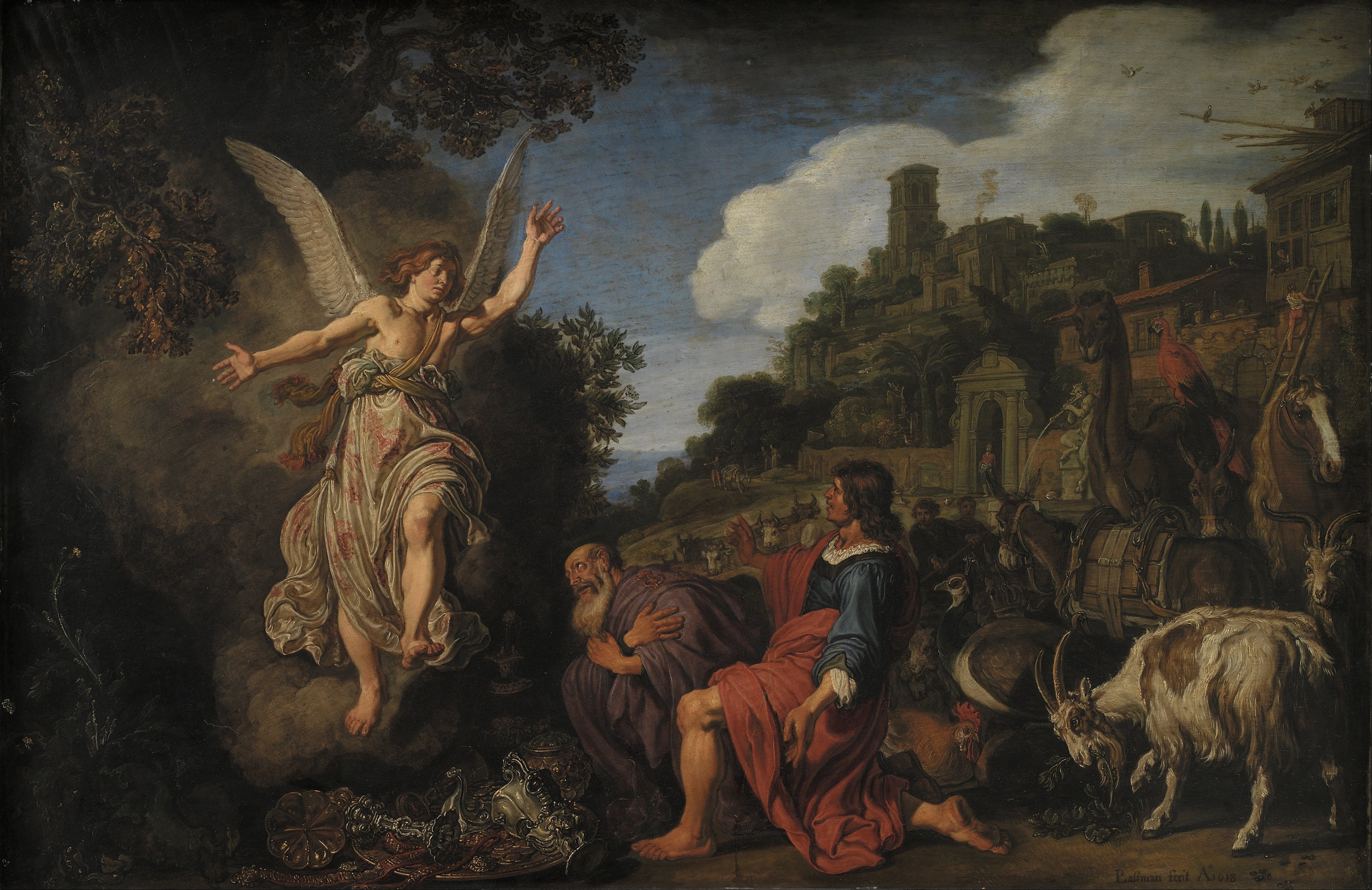
Tobit evangelizes not by standing in a public square, but by remaining faithful in sorrow. He becomes a prophet through his suffering. Like Simeon and Anna in the Temple, the aged ones still teach us how to hope.
They show us how to pray when our hands no longer build. How to love when our strength has faded. How to wait when the world has moved on.
Their intercession is not peripheral. No, it is foundational.
The elderly who offer their suffering with Christ are living a form of contemplative martyrdom.
They bear witness to a culture that wants only vigor and control. Their very presence proclaims: You are not what you do. You are who you are before God.
Let Their Rooms Become Chapels
What if we taught our elderly that their rooms are cloisters? That their walkers are their crosses? That their sighs are incense rising before God? This is real ecclesial vocation.
The Church needs a thousand Tobits. A thousand cloistered intercessors hidden in suburbia, assisted living centers, and bedrooms. Their vocation is not a consolation prize. It may be the very engine of renewal.
An Invitation
To the aged: You are needed. You are called. Your purpose has not passed. Your prayer is powerful. Your witness is irreplaceable. Let your surrender become seed for the next generation.
To the rest of us: Stop designing programs for the elderly. Start building ministries with them. Invite them to be the praying heart of your parish. Visit them not to entertain, but to receive their blessing.
To the Church: Do not forget Tobit. His sorrow turned to song. His blindness turned to sight. His prayer turned the tide.
Let us rediscover the hidden fire.
A Final Prayer
Lord, you do not cast off the aged or abandon the weary. In every sigh, you hear a song. In every silence, a prayer. Teach us to honor the Tobits among us, and grant the elderly courage to offer what the world no longer sees: their faith, their love, their hidden intercession. May their rooms become chapels, and their lives become praise.
“Do not turn your face away from me, for it is better for me to die than to see so much distress in my life and to listen to such insults.” (Tobit 3:6)
Yet Tobit did not die. You sent Raphael. You remembered.
Remember them, Lord.
“The prayer of the humble pierces the clouds...” (Sirach 35:17)
© 2025, Lawain McNeil, Mission Surrender, LLC.
I’m on the cuff of being in that group called ‘the aged’… and I’m encouraged by your words that ‘I’m still needed, still serve a purpose, still called. Prayer is such a powerful gift. Thanks for sharing, Lawain!